Can an HIV test be negative soon after exposure?
Yes. Every test has a window period. Your testing plan depends on the test used, exposure date and whether you took PEP or PrEP.
HIV is a virus that affects the immune system. Testing—not symptoms alone—shows whether someone has HIV. Modern treatment helps people with HIV live long and healthy lives.
Dr Neeraj Garg · MBBS (IMS-BHU), MD (IMS-BHU) · Dermatologist & STD / STI Specialist, Dehradun
Request an Appointment ↗For privacy, send only a simple appointment request through WhatsApp. Medical details can be discussed during consultation.
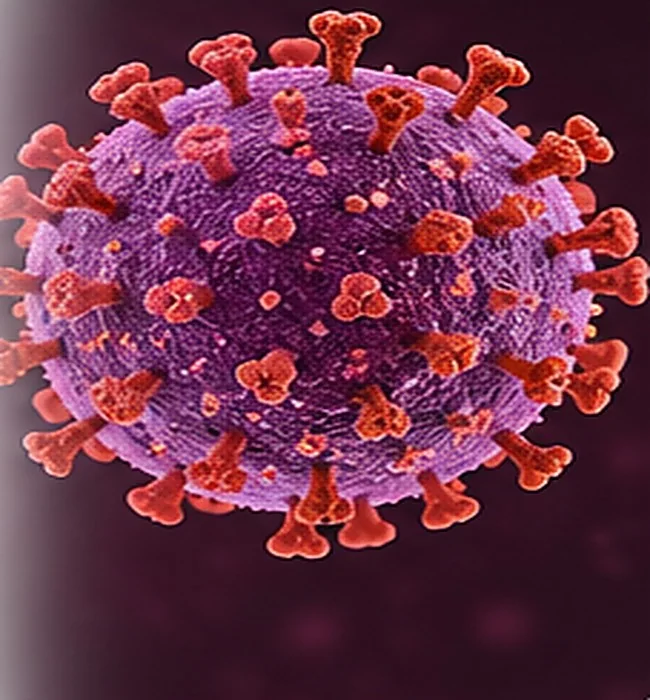
Educational illustration, not an actual clinical photograph. Signs vary and a diagnosis requires assessment.
After a possible exposure, the timing of testing and whether emergency PEP is indicated matter more than interpreting symptoms alone.
Yes. Every test has a window period. Your testing plan depends on the test used, exposure date and whether you took PEP or PrEP.
A laboratory fourth-generation HIV antigen/antibody test is often used for screening. HIV RNA testing may help when acute infection is suspected. Reactive screening results need confirmation.
After a qualifying exposure, HIV PEP must be started as soon as possible and no later than 72 hours; the course is usually 28 days. Confirmed HIV infection needs prompt linkage to an HIV/ART service.
Fever, rash and tiredness have many causes. HIV can also cause no symptoms, so only appropriate testing can confirm or exclude infection.
People commonly book an appointment for:
Assessment helps identify the likely cause, choose useful tests and explain treatment and follow-up without unnecessary medication.
Laboratory HIV antigen/antibody testing, with HIV RNA testing when acute infection is suspected. Confirm reactive screening results using the applicable algorithm.
A laboratory fourth-generation HIV antigen/antibody test is commonly used for screening. Depending on timing and circumstances, HIV RNA or repeat testing may be advised. A reactive screening result must be confirmed according to the testing algorithm.
Common concerns explained in plain language. A test result or photograph alone may not tell the whole story.
A laboratory fourth-generation HIV antigen/antibody test is commonly used for screening after exposure. The right time to test depends on the assay, the date of exposure and whether PEP or PrEP has been taken. An early negative test may need repeat testing and cannot always be treated as a final result.
After a potentially significant HIV exposure, seek urgent medical assessment immediately. PEP must be started as soon as possible and no later than 72 hours when indicated, and the usual course lasts 28 days. Do not wait for a routine clinic appointment if that could delay urgent treatment.
A reactive screening result needs confirmation using the appropriate testing algorithm. People with confirmed HIV benefit from prompt linkage to dedicated HIV care and antiretroviral therapy. Effective treatment supports long, healthy lives; sustained viral suppression prevents sexual transmission, commonly described as U=U. A dermatologist may help with skin or STI concerns alongside specialist HIV services.
Laboratory fourth-generation HIV-1/2 antigen/antibody tests detect HIV antibodies and p24 antigen and are usually preferred for routine screening after exposure. Antibody-only rapid tests may take longer to become reactive. HIV RNA testing can help evaluate suspected acute infection, particularly with recent high-risk exposure and compatible symptoms. Reactive screening tests require confirmation through the recommended testing algorithm.
No HIV test detects infection immediately after exposure. Typical detection windows are approximately 18–45 days for a laboratory fourth-generation antigen/antibody test, 23–90 days for antibody-only tests, and 10–33 days for nucleic acid testing; individual tests vary. Follow-up timing must account for the exact assay, ongoing exposures and use of PEP or PrEP, which may affect interpretation.
After a potentially significant HIV exposure, seek urgent assessment as soon as possible, ideally within hours and no later than 72 hours. If indicated, post-exposure prophylaxis (PEP) is taken for 28 days. Do not wait for the source partner's results if doing so would delay indicated PEP. Baseline testing, medication review and follow-up HIV testing are needed; the exact regimen and schedule follow current local guidance.
Antiretroviral therapy (ART) is recommended for everyone with HIV. With sustained viral suppression, people can live long lives; undetectable viral load prevents sexual HIV transmission (U=U).
Confirmed HIV infection should be linked promptly to an HIV/ART centre for antiretroviral treatment and regular monitoring. Following a qualifying exposure, PEP assessment is urgent within 72 hours; do not wait for a routine clinic appointment.
A focused, non-judgmental assessment is tailored to your symptoms and exposure history. An examination or test is recommended only when clinically appropriate, with your consent.
We understand that concerns about genital symptoms, sexual contact or a positive test can feel personal. Your appointment is approached respectfully, without blame or judgment.
Medical confidentiality is subject to applicable law and clinical obligations. Please avoid sending intimate photographs or detailed sexual histories in an appointment enquiry.
Dr Neeraj Garg, MBBS (IMS-BHU), MD (IMS-BHU), offers dermatology and venereology consultations in Dehradun, including guidance on HIV test interpretation and when urgent PEP assessment is needed. Confirmed HIV infection requires linkage to a dedicated ART service.
No. HIV is the infection. AIDS is an advanced stage of HIV defined by severe immune suppression or certain AIDS-defining illnesses.
No. Every HIV test has a window period.
A laboratory fourth-generation antigen/antibody test is commonly used. HIV RNA testing may help when very recent infection is suspected.
No. The appropriate repeat-test timing depends on the test and on PEP or PrEP use.
After a qualifying exposure, seek urgent assessment immediately. PEP should begin as soon as possible and no later than 72 hours.
When prescribed, PEP is generally taken for 28 days, with baseline and follow-up testing.
Not on its own. Results must be confirmed according to the recommended testing algorithm.
Yes. With early diagnosis, effective antiretroviral treatment and follow-up, many people with HIV live long, healthy lives.
Yes. Appropriate treatment and pregnancy care greatly reduce parent-to-child transmission risk.
No. HIV is not spread by toilets, sharing food, hugging or ordinary daily contact.
A person living with HIV who maintains a sustained undetectable viral load on effective ART does not sexually transmit HIV.
Symptoms overlap, and some infections cause no symptoms. These links help you find information, not diagnose yourself.
This patient guide is educational and does not replace an individual clinical assessment. Treatment and testing recommendations may change with local guidance, pregnancy, other conditions and antibiotic resistance.
Request a confidential STD / STI consultation with Dr Neeraj Garg, MBBS (IMS-BHU), MD (IMS-BHU), in Dehradun. Get individual guidance about symptoms, reports, testing and next steps.
Request an Appointment ↗Appointment enquiry only: there is no need to send intimate images or detailed medical information through WhatsApp.
Patient information updated 10 October 2026. This page provides general education and cannot replace an individual medical assessment. The appearance of a symptom does not by itself prove an STI.