Can I have chlamydia with a normal urine culture?
Yes. A routine urine culture does not reliably detect chlamydia. A test called NAAT on an appropriate urine or swab sample is used.
Chlamydia is a common bacterial sexually transmitted infection. It often causes no symptoms, but it can cause burning urine, discharge and health problems if untreated.
Dr Neeraj Garg · MBBS (IMS-BHU), MD (IMS-BHU) · Dermatologist & STD / STI Specialist, Dehradun
Request an Appointment ↗For privacy, send only a simple appointment request through WhatsApp. Medical details can be discussed during consultation.
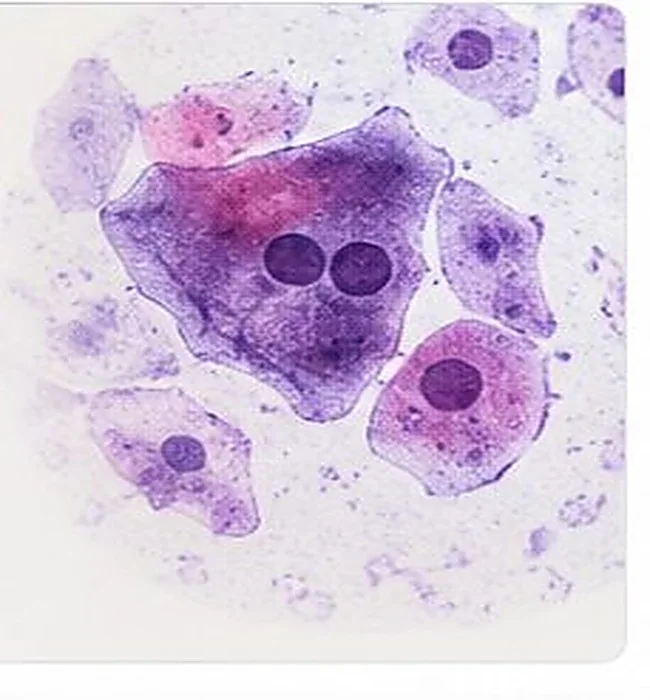
Educational illustration, not an actual clinical photograph. Signs vary and a diagnosis requires assessment.
Symptoms can resemble a routine urinary infection, but the tests are different. A standard urine culture is not a substitute for chlamydia NAAT.
Yes. A routine urine culture does not reliably detect chlamydia. A test called NAAT on an appropriate urine or swab sample is used.
In men, first-catch urine is commonly used for NAAT. A vaginal swab is generally preferred in women. Rectal or throat swabs may be advised based on exposure.
Chlamydia can be treated with appropriate antibiotics. Follow the full prescribed course, avoid sex for the advised period and arrange partner care to reduce reinfection.
Chlamydia may cause no symptoms at all, so testing can be relevant after a known exposure even if you feel well.
People commonly book an appointment for:
Assessment helps identify the likely cause, choose useful tests and explain treatment and follow-up without unnecessary medication.
NAAT from appropriate first-catch urine or site-specific vaginal/cervical, rectal or throat samples. Testing other exposed sites may be necessary.
For genital testing, first-catch urine is commonly used in men and a vaginal swab is generally preferred in women. Urine testing alone will miss infections confined to the throat or rectum.
Common concerns explained in plain language. A test result or photograph alone may not tell the whole story.
A regular urine bacterial culture can be negative even when urethritis is caused by chlamydia. A first-catch urine NAAT in men or a vaginal swab NAAT in women may be appropriate when symptoms and exposure history suggest an STI. A midstream urine sample used for an ordinary UTI is not the same as an STI first-catch urine sample.
Many people with chlamydia have no discharge, pain or burning. Screening decisions depend on exposure and individual risk, including whether the throat or rectum could have been exposed. A negative test taken too early may need reassessment because there is no single universal testing day for every person.
Untreated chlamydia can sometimes cause pelvic inflammatory disease, tubal injury or epididymitis. Effective treatment and partner assessment reduce the chance of complications and reinfection. If your partner has a positive test, do not assume that a result reveals exactly when infection was acquired; discuss the history and appropriate follow-up with your clinician.
Both may cause burning during urination. Chlamydial urethritis can cause urethral discharge or discomfort and may occur with a routine urine culture that shows no bacterial growth. A conventional urine culture does not reliably detect Chlamydia trachomatis. A standard bacterial UTI is assessed differently, usually with urine examination and culture when indicated. Symptoms alone cannot reliably distinguish the two.
For men, first-catch (first-void) urine is an accepted specimen for urogenital NAAT; it is not the same as midstream urine collected for routine bacterial culture. For women, a vaginal swab, including an appropriately self-collected swab, is generally preferred over urine for urogenital NAAT. Cervical swabs are also used in clinical settings. Rectal and pharyngeal NAAT specimens should be considered when exposure or symptoms indicate testing at those sites.
Chlamydia commonly causes no noticeable symptoms in any sex. A person may have infection of the cervix, urethra, rectum or throat without discharge or pain. The absence of symptoms, or a normal routine urine culture, does not exclude chlamydia.
Untreated infection may cause pelvic inflammatory disease (PID), tubal infertility, ectopic pregnancy and chronic pelvic pain in women, or epididymitis in men. These outcomes are not inevitable, and timely diagnosis and treatment reduce risk. Severe pelvic or testicular pain needs prompt medical assessment.
Avoid sexual intercourse for seven days after a single-dose regimen, or until completion of a seven-day antibiotic regimen, and until symptoms have resolved. Do not resume sexual contact until sexual partners have also been treated, to reduce reinfection. If you are unsure whether your partner has been treated, ask your clinician before resuming sex.
When symptoms develop, they often begin about 1–3 weeks after exposure, but many infections never cause symptoms. NAAT can be negative very soon after acquisition; there is no single universally reliable day on which a negative test rules out all recent infections. If exposure was recent and the first test was performed early, discuss repeat testing with your clinician. Do not delay evaluation or indicated treatment when symptoms or a known infected partner are present.
Guideline-directed antibiotics are effective. Partner evaluation/treatment, abstaining until treatment is completed as advised, and retesting around three months help reduce reinfection.
A clinician selects suitable antibiotics based on pregnancy and other factors. Recent partners also require assessment. Routine retesting around three months checks for reinfection; a test of cure is specifically advised in pregnancy or other selected situations. Do not take leftover antibiotics.
A focused, non-judgmental assessment is tailored to your symptoms and exposure history. An examination or test is recommended only when clinically appropriate, with your consent.
We understand that concerns about genital symptoms, sexual contact or a positive test can feel personal. Your appointment is approached respectfully, without blame or judgment.
Medical confidentiality is subject to applicable law and clinical obligations. Please avoid sending intimate photographs or detailed sexual histories in an appointment enquiry.
Dr Neeraj Garg holds MBBS (IMS-BHU) and MD (IMS-BHU) qualifications and provides dermatology and venereology consultations in Dehradun. The focus is on explaining symptoms, interpreting appropriate tests and discussing a practical next step.
Yes. Many people have no symptoms, even when they can transmit the infection.
No. A standard bacterial urine culture does not reliably detect chlamydia; the appropriate test is NAAT.
Yes. First-catch urine collects the initial stream for certain STI NAATs, while midstream urine is commonly used for routine bacterial culture.
A vaginal swab is generally preferred for genital NAAT. Other sites may need swabs depending on exposure.
Untreated infection can lead to pelvic inflammatory disease and tubal damage in some people, increasing infertility and ectopic pregnancy risks.
Yes. Recent partners generally need prompt assessment and often presumptive treatment according to clinical guidance.
Avoid sex for seven days after a single-dose regimen or until a seven-day regimen is finished and symptoms have resolved, and until partners have been treated.
Retesting at about three months is generally recommended to check for reinfection. A test of cure is recommended in pregnancy and certain other circumstances.
No. Very early tests can miss an infection. A clinician can advise when testing or repeat testing is appropriate.
A positive test alone cannot reliably establish when an infection was acquired. Confirm the result and discuss the history with your clinician.
Symptoms overlap, and some infections cause no symptoms. These links help you find information, not diagnose yourself.
This patient guide is educational and does not replace an individual clinical assessment. Treatment and testing recommendations may change with local guidance, pregnancy, other conditions and antibiotic resistance.
Request a confidential STD / STI consultation with Dr Neeraj Garg, MBBS (IMS-BHU), MD (IMS-BHU), in Dehradun. Get individual guidance about symptoms, reports, testing and next steps.
Request an Appointment ↗Appointment enquiry only: there is no need to send intimate images or detailed medical information through WhatsApp.
Patient information updated 10 October 2026. This page provides general education and cannot replace an individual medical assessment. The appearance of a symptom does not by itself prove an STI.