Does a positive HSV IgG test mean I need medicine?
Not always. HSV IgG usually shows past exposure, not an active outbreak. Symptoms, HSV type, examination and sometimes lesion PCR guide decisions.
Genital herpes can cause painful, grouped blisters or small sores. Some people have very mild symptoms or none at all, and the infection can sometimes recur.
Dr Neeraj Garg · MBBS (IMS-BHU), MD (IMS-BHU) · Dermatologist & STD / STI Specialist, Dehradun
Request an Appointment ↗For privacy, send only a simple appointment request through WhatsApp. Medical details can be discussed during consultation.
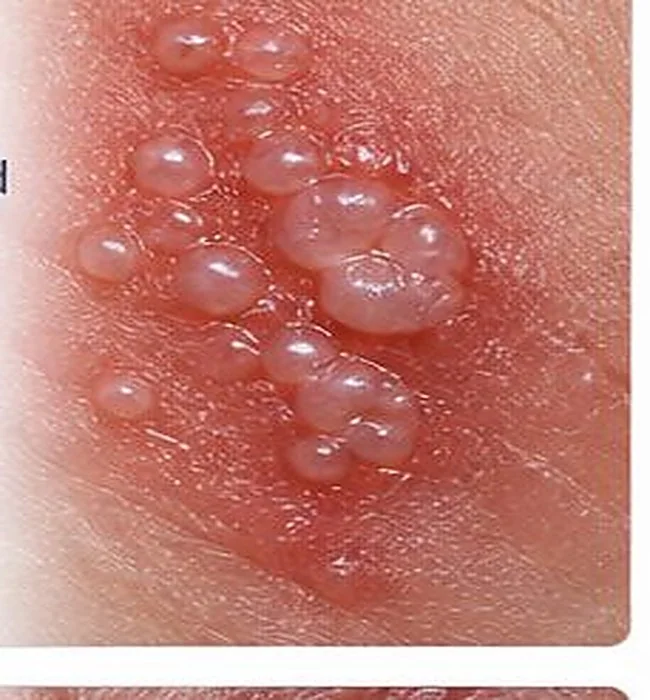
Educational illustration, not an actual clinical photograph. Signs vary and a diagnosis requires assessment.
A blood antibody report and a swab from a fresh sore answer different questions. HSV IgG alone does not show when an infection was acquired.
Not always. HSV IgG usually shows past exposure, not an active outbreak. Symptoms, HSV type, examination and sometimes lesion PCR guide decisions.
When a fresh blister or sore is present, HSV PCR/NAAT from the lesion is preferred. HSV IgM testing is not recommended for diagnosis.
Antiviral medicines can shorten outbreaks. Daily suppressive medicines may be considered for frequent recurrences or particular transmission concerns after discussion.
Not everyone develops obvious blisters. When a fresh sore is present, a swab for HSV PCR/NAAT can help confirm the cause.
People commonly book an appointment for:
Assessment helps identify the likely cause, choose useful tests and explain treatment and follow-up without unnecessary medication.
HSV PCR/NAAT from a fresh lesion is preferred when available. Type-specific blood tests have limited selected uses; HSV IgM is not recommended.
A lesion swab for HSV PCR/NAAT is preferred when blisters or ulcers are present. Type-specific HSV IgG can sometimes help with counselling, but does not date the infection; HSV IgM is not recommended.
Common concerns explained in plain language. A test result or photograph alone may not tell the whole story.
A positive herpes IgG blood test indicates past exposure, but it does not automatically prove that a current genital complaint is caused by herpes or that daily medicine is needed. HSV-1 IgG also cannot locate the infection in the mouth or genitals. If fresh blisters or ulcers appear, a lesion swab for HSV PCR/NAAT is often the most informative test.
Recurrent genital herpes can begin with burning, tingling or local tenderness before grouped blisters develop. Early episodic antiviral treatment can shorten a recurrence, while daily suppressive treatment may help selected patients with frequent outbreaks or transmission concerns. The choice is individual, not based on an IgG result alone.
Yes. Oral HSV-1 may cause genital HSV-1 infection through oral-genital contact, and both HSV-1 and HSV-2 can sometimes spread without visible sores. Condoms and avoiding contact during symptoms lower risk without removing it completely. A confidential consultation can address testing results and partner questions without assumptions.
A true first episode may cause extensive painful blisters or ulcers, fever, tender nodes and painful urination; however, the first *recognised* episode is not always a newly acquired infection. Recurrent episodes are often shorter and milder, especially with genital HSV-2. Treatment decisions depend on the episode, severity, pregnancy status and recurrence pattern.
PCR/NAAT from a fresh blister or ulcer is the preferred direct test when lesions are present. Type-specific HSV-1/HSV-2 IgG indicates prior exposure but cannot reliably determine the site of HSV-1 infection or whether a current symptom is caused by HSV; early infection may test negative. Some low-positive HSV-2 IgG results require confirmation. HSV IgM is not recommended because it is unreliable and not type-specific.
Yes. HSV can be shed from skin or mucosa without visible sores or symptoms. Condoms and, for selected patients, daily suppressive antiviral treatment can lower transmission risk but cannot eliminate it. Avoid sexual contact during prodromal tingling or active lesions.
Some people notice tingling, burning, itching or local discomfort before blisters appear. When a clinician has prescribed episodic antiviral therapy for known recurrent herpes, starting it at the first prodromal sign or within about one day of lesion onset offers the greatest benefit. Do not delay evaluation of a first episode to self-treat.
Daily antiviral suppressive treatment may be considered for frequent or troublesome recurrences, substantial distress, or to reduce the risk of transmitting genital HSV-2 to a partner who does not have HSV-2. The decision is individual and depends on recurrence frequency, HSV type, kidney function, pregnancy status and patient preferences. Suppressive treatment lowers but does not eliminate shedding or transmission; it should be reviewed periodically with a clinician.
Yes. HSV-1 commonly causes oral cold sores and can spread to a partner’s genital area through oral sex, including when there is no visible cold sore because asymptomatic shedding occurs. Genital HSV-1 generally recurs and sheds less frequently than genital HSV-2, particularly over time. Avoid oral-genital contact when cold sores or warning symptoms are present; barrier methods lower, but do not remove, risk.
Antiviral treatment can shorten episodes; suppressive therapy may reduce recurrences and transmission. Avoid sexual contact during lesions or prodromal symptoms; condoms reduce but do not eliminate risk.
Prescription antivirals can shorten outbreaks. Daily suppressive therapy may help people with troublesome recurrences and can lower genital HSV-2 transmission in selected couples. Medication does not remove latent HSV from the body.
A focused, non-judgmental assessment is tailored to your symptoms and exposure history. An examination or test is recommended only when clinically appropriate, with your consent.
We understand that concerns about genital symptoms, sexual contact or a positive test can feel personal. Your appointment is approached respectfully, without blame or judgment.
Medical confidentiality is subject to applicable law and clinical obligations. Please avoid sending intimate photographs or detailed sexual histories in an appointment enquiry.
Dr Neeraj Garg holds MBBS (IMS-BHU) and MD (IMS-BHU) qualifications and provides dermatology and venereology consultations in Dehradun. The focus is on explaining symptoms, interpreting appropriate tests and discussing a practical next step.
Yes. HSV can be shed from normal-looking skin, so infection can sometimes spread even without blisters.
Not by itself. IgG usually shows previous exposure and does not establish an active outbreak. Treatment depends on symptoms and clinical context.
No. HSV IgM can be misleading and is not recommended for diagnosing genital herpes.
A swab from a fresh sore for HSV PCR/NAAT is usually the preferred test.
Yes. Oral HSV-1 can transmit to genital skin during oral sex, even if no cold sore is visible.
Genital HSV-1 generally recurs and sheds less often than genital HSV-2, particularly over time.
If you have a prescribed episodic plan, starting antivirals during early tingling or within about one day of lesion onset provides the most benefit.
It may help with frequent or distressing outbreaks and may reduce genital HSV-2 transmission in selected couples. Your clinician will discuss suitability.
HSV remains latent after infection. Antiviral medicines control symptoms and shedding but do not eradicate the virus.
Usually not. Symptoms may appear long after acquisition, and a blood result cannot establish who transmitted HSV.
Symptoms overlap, and some infections cause no symptoms. These links help you find information, not diagnose yourself.
This patient guide is educational and does not replace an individual clinical assessment. Treatment and testing recommendations may change with local guidance, pregnancy, other conditions and antibiotic resistance.
Request a confidential STD / STI consultation with Dr Neeraj Garg, MBBS (IMS-BHU), MD (IMS-BHU), in Dehradun. Get individual guidance about symptoms, reports, testing and next steps.
Request an Appointment ↗Appointment enquiry only: there is no need to send intimate images or detailed medical information through WhatsApp.
Patient information updated 10 October 2026. This page provides general education and cannot replace an individual medical assessment. The appearance of a symptom does not by itself prove an STI.