Does a negative urine test rule out throat gonorrhoea?
No. If the throat or rectum was exposed, a swab from that site may be needed. A urine test does not check those sites.
Gonorrhoea is a bacterial STI that may cause burning urine or discharge. It can also infect the throat or rectum without any noticeable symptoms.
Dr Neeraj Garg · MBBS (IMS-BHU), MD (IMS-BHU) · Dermatologist & STD / STI Specialist, Dehradun
Request an Appointment ↗For privacy, send only a simple appointment request through WhatsApp. Medical details can be discussed during consultation.
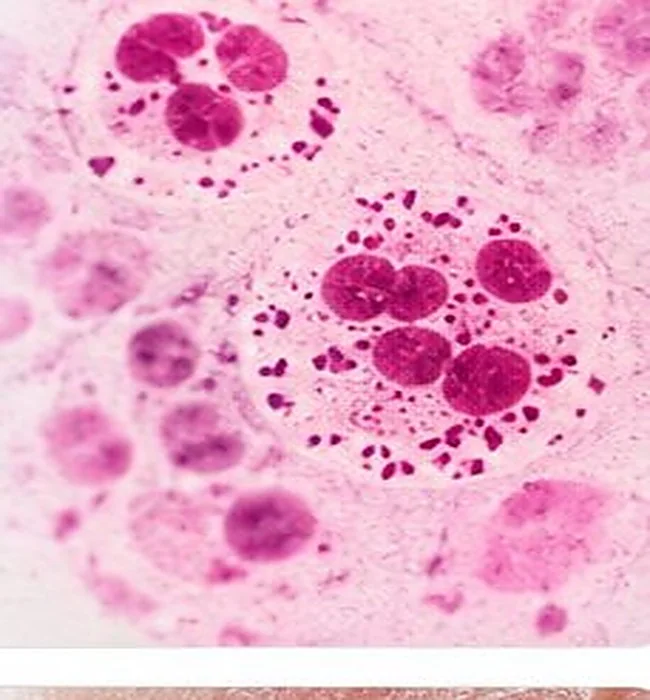
Educational illustration, not an actual clinical photograph. Signs vary and a diagnosis requires assessment.
The right test depends on the sites of possible exposure. A urine sample cannot rule out gonorrhoea limited to the throat or rectum.
No. If the throat or rectum was exposed, a swab from that site may be needed. A urine test does not check those sites.
NAAT is used on the relevant sample: first-catch urine, vaginal or cervical sample, or throat/rectal swab. Culture and antibiotic susceptibility testing may be needed in selected cases.
Correct antibiotic treatment matters because resistant gonorrhoea exists. Throat infection needs a test of cure, and partners may also need assessment and treatment.
Throat and rectal gonorrhoea often have no noticeable symptoms. Testing may be recommended according to the sites of sexual exposure.
People commonly book an appointment for:
Assessment helps identify the likely cause, choose useful tests and explain treatment and follow-up without unnecessary medication.
NAAT from relevant exposure sites; culture and antimicrobial susceptibility testing in selected cases, especially suspected treatment failure.
NAAT samples must match exposure sites. Culture with antibiotic susceptibility testing may be needed when resistance or treatment failure is suspected. A negative urine test cannot exclude throat or rectal gonorrhoea.
Common concerns explained in plain language. A test result or photograph alone may not tell the whole story.
Penile discharge or painful urination may suggest gonorrhoea, chlamydia or another cause of urethritis. Symptoms alone cannot reliably tell them apart. A targeted urine or swab NAAT, with additional culture where indicated, helps guide diagnosis and treatment.
Yes. Gonorrhoea can affect the throat after oral exposure, and infection at that site may cause no symptoms. A negative urine NAAT does not rule out gonorrhoea limited to the throat or rectum. Testing should match the sites of possible exposure, and pharyngeal infection has specific post-treatment test-of-cure recommendations.
Gonorrhoea has developed resistance to several antibiotics. Self-medicating with leftover tablets or relying only on improvement in discharge can lead to missed infection or delayed care. Treatment, testing for possible chlamydia and partner advice should be guided by current recommendations.
Burning urination and discharge may occur with gonorrhoea or chlamydia, while bacterial UTIs can produce overlapping urinary symptoms. A standard midstream urine culture is not a substitute for gonorrhoea/chlamydia NAAT. Examination, exposure history and the correct samples help distinguish these conditions; coinfection is possible.
For urogenital gonorrhoea, NAAT can be performed on first-catch urine in men and on vaginal/cervical samples in women. A urethral swab may be appropriate in selected symptomatic cases, particularly for microscopy or culture. Rectal and pharyngeal infections need site-specific swabs because urine testing does not detect infections confined to those sites. Culture with antimicrobial susceptibility testing is important when treatment failure is suspected.
Gonorrhoea of the throat is often asymptomatic and can be harder to eradicate. After recommended treatment, a test of cure is advised for pharyngeal infection, usually 7–14 days later using culture or NAAT. Testing by NAAT at seven days can sometimes yield false-positive results; a positive NAAT should prompt appropriate confirmatory assessment, including culture where feasible.
Gonorrhoea and chlamydia can occur together. If chlamydia has not been excluded by appropriate testing, current CDC guidance recommends adding chlamydia treatment to the gonorrhoea regimen; if it has been excluded, extra chlamydia antibiotics are generally unnecessary. Pregnancy, drug allergy, local antimicrobial guidance and individual clinical circumstances can alter the regimen. Avoid taking additional antibiotics without a clinician’s advice.
A urine NAAT looks for urogenital infection. It does not reliably exclude gonorrhoea confined to the throat or rectum after oral or anal exposure. Site-specific pharyngeal or rectal swabs may be needed even when a urine result is negative, because these infections are frequently asymptomatic. Testing sites should be selected from exposure history and clinical assessment.
Prompt guideline-directed antibiotics are important because resistance is a concern. Partners need assessment; a test of cure is recommended for pharyngeal infection and selected other circumstances.
Correct clinician-prescribed treatment matters because resistance exists. The choice of antibiotics depends on current local guidance, other possible STIs and pregnancy. Test of cure is important for pharyngeal infection; follow-up testing for reinfection is commonly advised at about three months.
A focused, non-judgmental assessment is tailored to your symptoms and exposure history. An examination or test is recommended only when clinically appropriate, with your consent.
We understand that concerns about genital symptoms, sexual contact or a positive test can feel personal. Your appointment is approached respectfully, without blame or judgment.
Medical confidentiality is subject to applicable law and clinical obligations. Please avoid sending intimate photographs or detailed sexual histories in an appointment enquiry.
Dr Neeraj Garg holds MBBS (IMS-BHU) and MD (IMS-BHU) qualifications and provides dermatology and venereology consultations in Dehradun. The focus is on explaining symptoms, interpreting appropriate tests and discussing a practical next step.
Yes, but some genital infections cause no symptoms. Chlamydia and common UTIs can look similar.
Yes. It may infect the throat without causing symptoms.
No. Infection at those sites requires a swab from the relevant site.
No. Routine bacterial urine culture is not a substitute for an appropriate gonorrhoea NAAT.
Yes. Your clinician may test for both and add chlamydia treatment if infection has not been excluded.
No. Antibiotic resistance is a concern, so treatment should follow current guidelines and local clinical judgement.
It is recommended for pharyngeal gonorrhoea and selected situations such as suspected treatment failure.
You need reassessment for reinfection, resistant gonorrhoea or another cause. Culture and susceptibility testing may be needed.
Usually after at least seven days, symptoms have resolved and all partners who need treatment have been treated, as advised by your clinician.
Retesting at about three months is generally advised because reinfection can occur.
Symptoms overlap, and some infections cause no symptoms. These links help you find information, not diagnose yourself.
This patient guide is educational and does not replace an individual clinical assessment. Treatment and testing recommendations may change with local guidance, pregnancy, other conditions and antibiotic resistance.
Request a confidential STD / STI consultation with Dr Neeraj Garg, MBBS (IMS-BHU), MD (IMS-BHU), in Dehradun. Get individual guidance about symptoms, reports, testing and next steps.
Request an Appointment ↗Appointment enquiry only: there is no need to send intimate images or detailed medical information through WhatsApp.
Patient information updated 10 October 2026. This page provides general education and cannot replace an individual medical assessment. The appearance of a symptom does not by itself prove an STI.