History and pattern
Onset, family history, medications, illness, diet, menstrual and reproductive history where relevant, and the rate of change.
Hair getting thinner, falling suddenly, breaking or leaving bald patches? Different hair problems need different diagnoses. Explore dermatologist-led evaluation and treatments with Dr Neeraj Garg, MBBS (IMS-BHU), MD (IMS-BHU).
Maheshwari Hospital, Dalanwala, Dehradun · Consultation ₹800
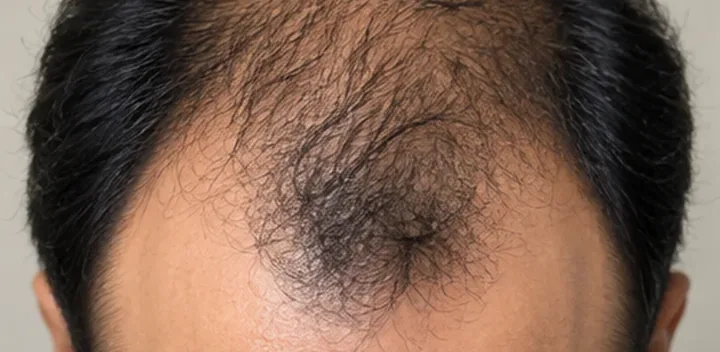
Select a condition below to see its symptoms, diagnosis, treatment options and realistic expectations.
Receding temples, thinning crown and progressively finer hairs.
Read diagnosis & treatment →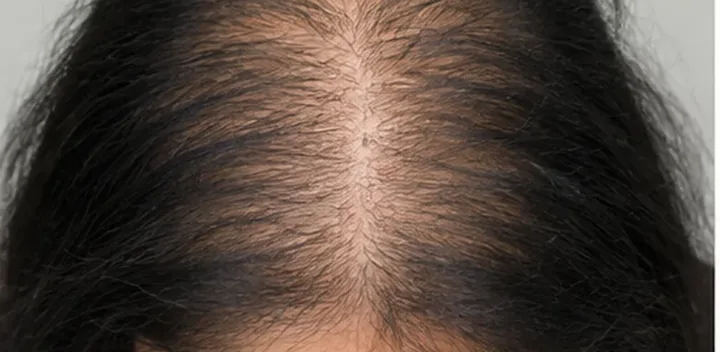
Widening parting and a gradual decrease in hair density.
Read diagnosis & treatment →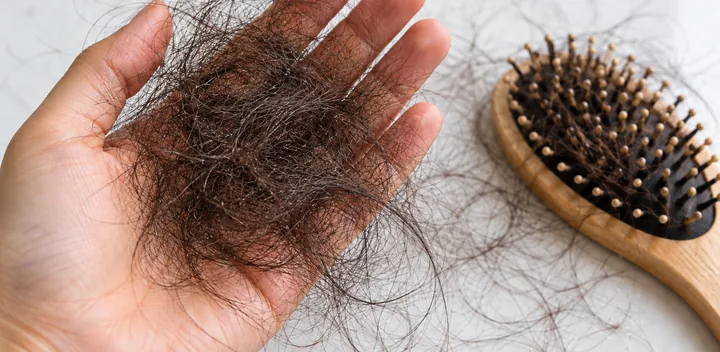
Sudden or excessive shedding after illness, stress or nutritional change.
Read diagnosis & treatment →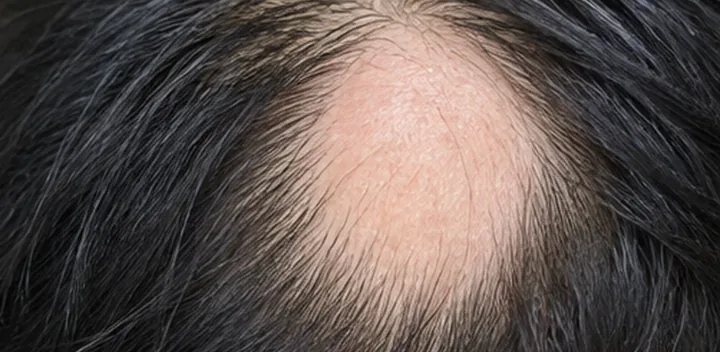
Well-defined patches of hair loss on the scalp or beard.
Read diagnosis & treatment →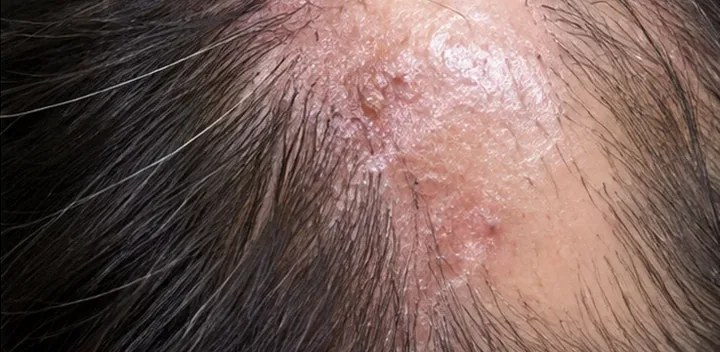
Inflammation and follicle destruction; early assessment matters.
Read diagnosis & treatment →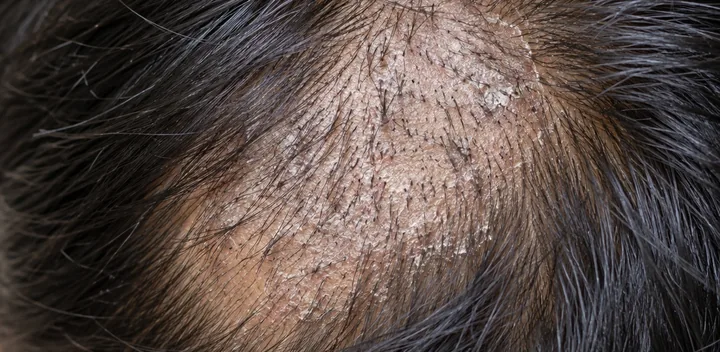
Scaly patches, broken hairs or scalp swelling due to fungus.
Read diagnosis & treatment →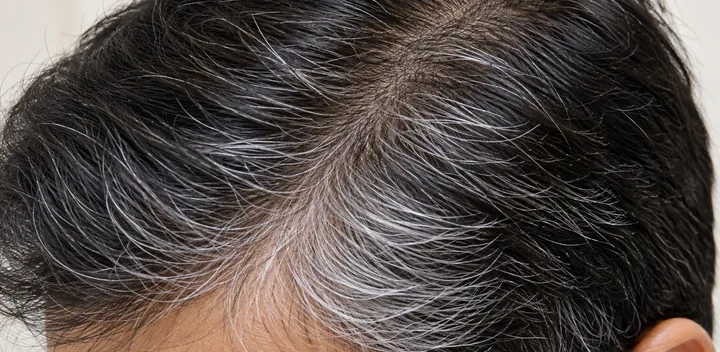
Early white or grey strands and when underlying causes need evaluation.
Read diagnosis & treatment →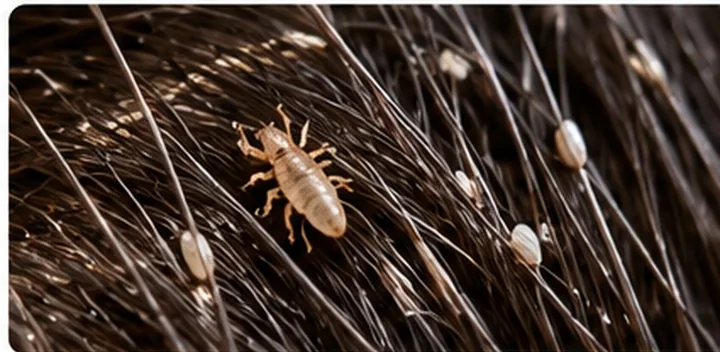
Persistent itch, live lice and nits; safe treatment options.
Read diagnosis & treatment →Onset, family history, medications, illness, diet, menstrual and reproductive history where relevant, and the rate of change.
Hair density and shaft calibre, miniaturisation, inflammation, broken hairs and scarring signs help distinguish causes.
Selected blood tests, fungal examination or scalp biopsy can help when the suspected diagnosis requires confirmation.
Explain the diagnosis, realistic outcomes, safety considerations and response timelines before choosing treatment.
Evidence-based options can include topical minoxidil and selected prescription treatments according to age, sex, medical history and pregnancy plans. PRP/GFC may be considered as an adjunct for selected patients; response varies.
Telogen effluvium often improves when the trigger resolves. Alopecia areata may require observation, topical or intralesional treatment, or other therapies according to severity.
Scarring alopecia requires timely control of inflammation to reduce permanent damage. Tinea capitis usually needs appropriate oral antifungal treatment, not shampoo alone.
Greying is frequently genetic; evaluation may be considered if early onset or accompanying symptoms suggest a cause. Head lice require correct diagnosis and safe, effective eradication measures.
Why start early? Medical therapy tends to work better while follicles are present. Longstanding smooth scarring or advanced baldness may have limited regrowth potential.
A dermatologist can assess whether thinning reflects patterned hair loss, telogen effluvium, alopecia areata, an inflammatory scalp disorder or another cause. Dr Neeraj Garg offers dermatologist-led hair and scalp assessment in Dehradun.
No. Tests may be recommended when the history or examination suggests iron deficiency, thyroid disease, nutritional issues or other underlying conditions. Patterned hair loss is often diagnosed clinically.
No. PRP or GFC may be considered as an adjunct for selected patients with patterned hair loss, but evidence and responses vary. Neither replaces an accurate diagnosis or established treatments.
Treatments generally work better when follicles are still functioning and miniaturised rather than permanently destroyed. Longstanding advanced loss or scarring alopecia may not regrow with medication alone.
Seek assessment early for progressive thinning, sudden patchy loss, significant shedding, pain, redness or scaling. Scarring alopecia in particular deserves prompt care to limit irreversible follicle loss.
Consult Dr Neeraj Garg at Maheshwari Hospital, Dalanwala, Dehradun. Discuss what has changed and which treatment options are appropriate for you.
Medical education only; not a diagnosis or guarantee of regrowth.