Glycolic Acid Chemical Peel in Dehradun
Glycolic acid is an alpha-hydroxy acid used in superficial chemical peels to exfoliate the outer skin layers. For selected concerns such as melasma and post-inflammatory marks, peels may form one part of a dermatologist-supervised treatment plan. Sunscreen and maintenance care remain essential.
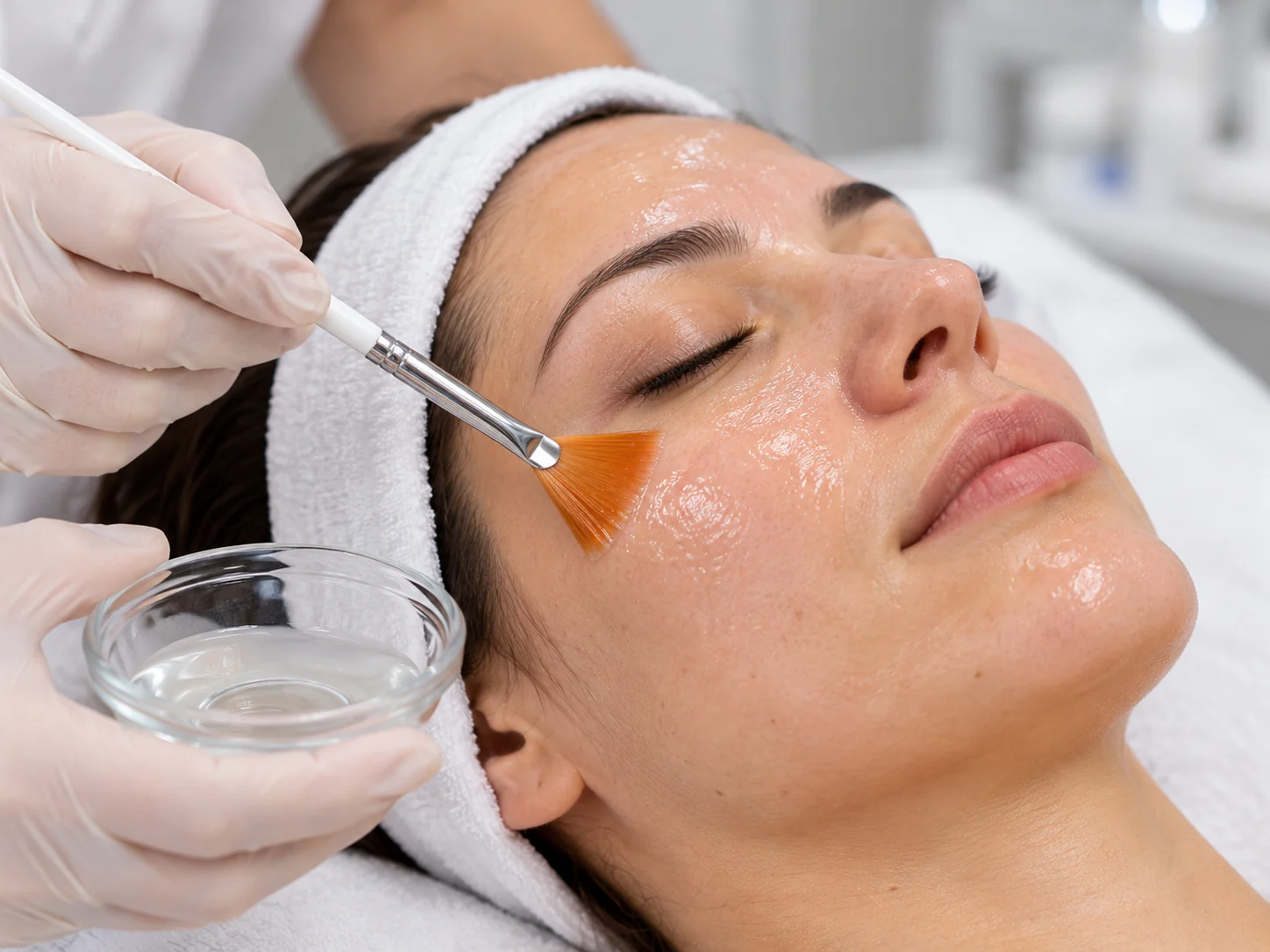
What is a glycolic acid peel?
A glycolic acid solution is applied for a controlled period and neutralised or removed according to the selected formulation and clinical protocol. The aim is superficial exfoliation, not deep resurfacing. Strength, exposure time and frequency are selected based on skin type, indication and previous tolerance.
Common applications
Selected post-acne pigmentation, dull surface texture and melasma as an adjunct to pigment-control measures.
Not every dark patch
Acanthosis nigricans, drug pigmentation, dermal conditions, infections and other causes of facial discolouration need different management.
How it differs from salon exfoliation
Concentration, timing, skin assessment and complication management matter; stronger is not necessarily better.
Glycolic acid peels for melasma
Melasma is a chronic relapsing pigmentation condition influenced by sun and visible light exposure, hormonal factors and individual predisposition. Carefully chosen superficial peels may complement sunscreen and suitable prescription care in some patients. A peel does not permanently eliminate melasma, and irritation can make pigmentation worse.
Essential foundation
Regular broad-spectrum sunscreen, shade and a realistic maintenance plan.
Peel role
May support gradual pigment improvement when appropriately selected; not an automatic first treatment for everyone.
Avoid exaggerated claims
No single session should be advertised as removing all melasma permanently.
Who needs extra caution?
Indian skin types are often vulnerable to post-inflammatory darkening after irritation. An active infection, severely inflamed skin, recent sunburn, impaired barrier, tendency to scar, or certain active topical treatments may call for postponement or a different plan. Pregnancy and medication history should be reviewed.
Skin assessment
A dermatologist examines the pattern and depth of pigmentation and considers other diagnoses.
Products to review
Tell the doctor about retinoids, exfoliants, acne medicines and home peeling products before the procedure.
When not to rush
Broken skin, active dermatitis, substantial recent tanning or poorly controlled inflammation need attention first.
What happens during a glycolic peel?
After cleansing and protection of sensitive areas, the solution is applied under supervision. Tingling or mild stinging may occur. The peel is stopped or neutralised at the appropriate time, and post-peel moisturising and sun-protection advice is provided. Procedure duration and number of visits vary.
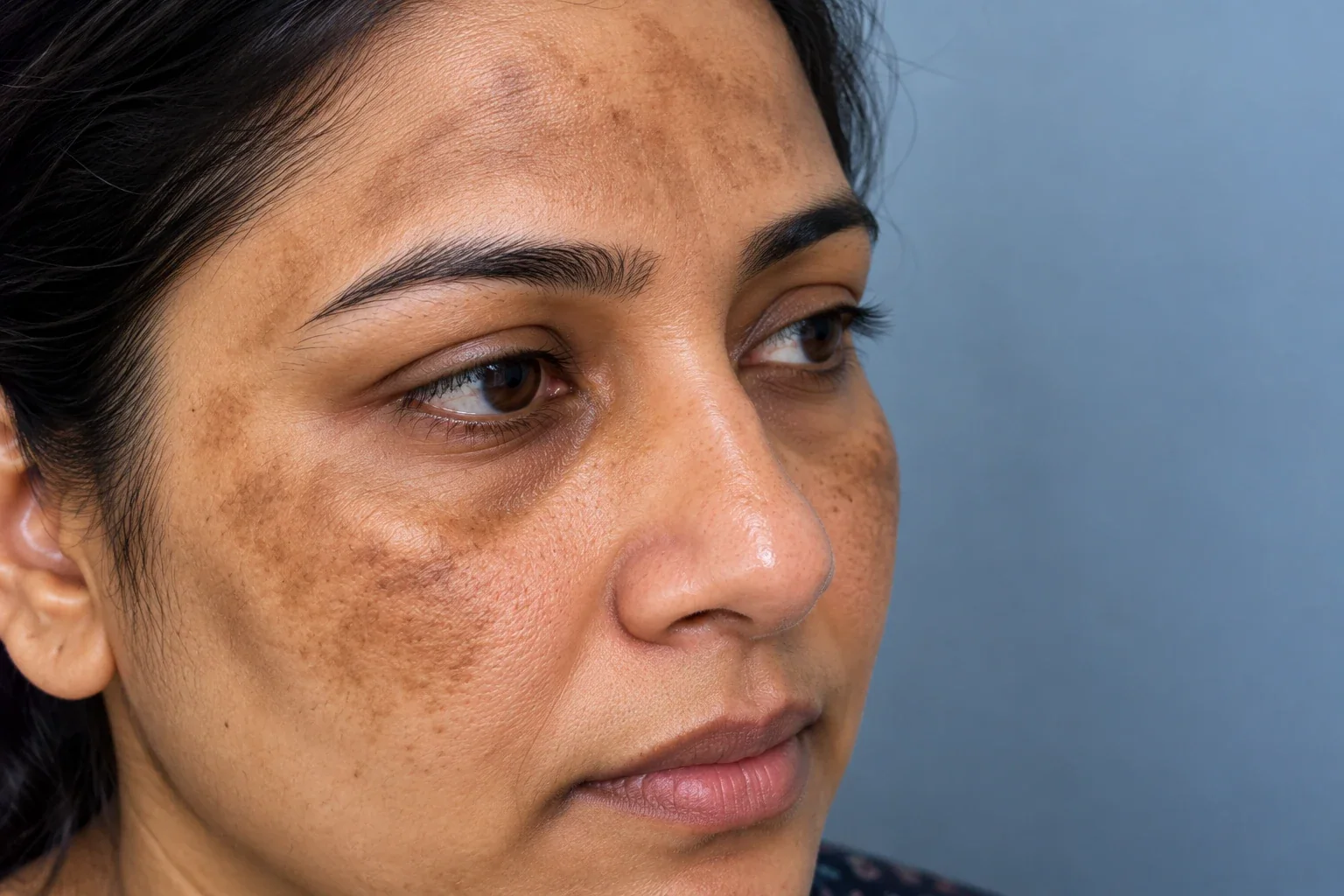
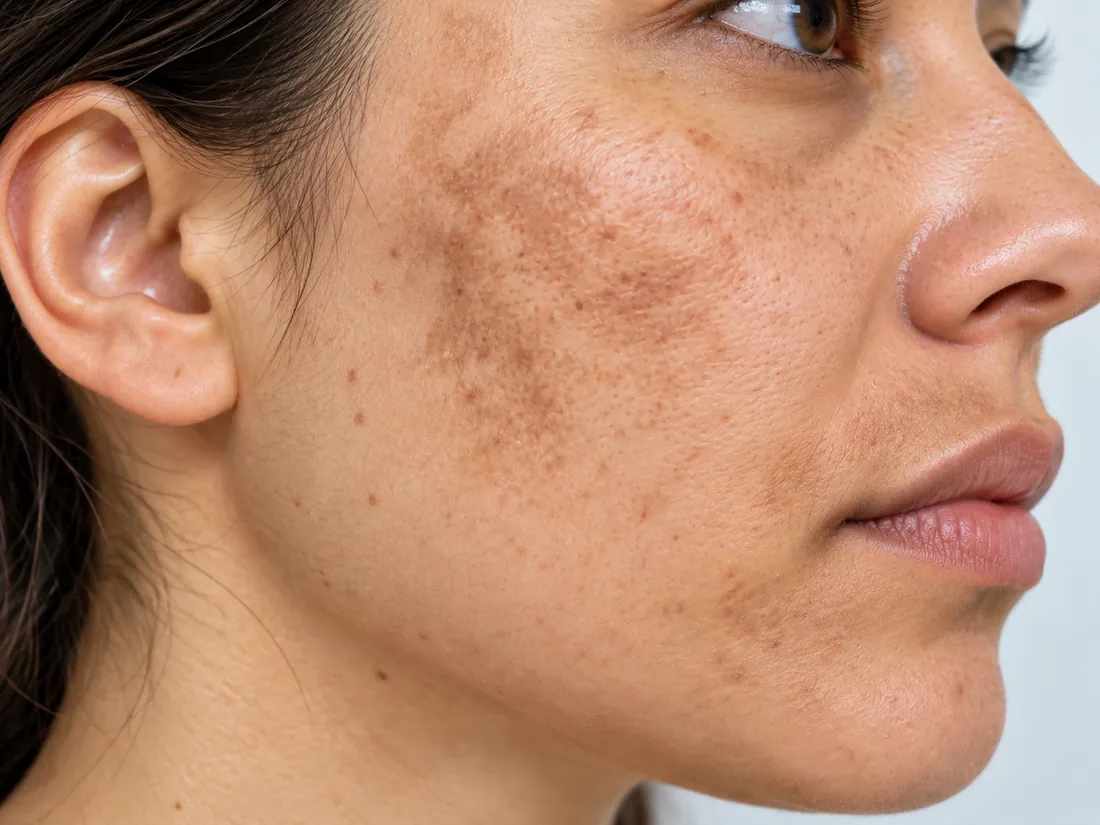
At the clinic
Skin is assessed, protocol chosen and aftercare explained before application.
Normal short-term effects
Mild redness, dryness, flaking and sensitivity can happen; visible peeling is not required for benefit.
When to contact the clinic
Unexpected severe burning, blistering, marked swelling, increasing pain or persistent unusual discoloration should be reviewed.
Aftercare and expected improvement
Protect the skin from direct sun, use prescribed gentle products and avoid picking flakes or adding unapproved exfoliants while the skin barrier settles. Improvement, when seen, is usually gradual and maintenance is particularly important for melasma.
First few days
Keep skincare simple. Moisturiser and regular sunscreen are important.
Avoid
Scrubs, harsh DIY products, picking and extra acid applications unless specifically advised.
Expectations
Pigmentation can relapse or worsen if irritated; deep scars and all forms of pigmentation are not corrected by a superficial peel.
Cost of glycolic peel in Dehradun
The number of sessions, formulation and suitability are assessed before discussing any procedure charge. The dermatology consultation fee is ₹800; peels, if clinically appropriate, are priced separately and explained before treatment.
Are peels suitable for active acne?
Certain superficial peels may be used selectively in acne care, but active inflammation, medicines and skin sensitivity affect the choice.
Can I combine peels with other facial products?
Sometimes, but the schedule needs medical guidance to avoid irritation and pigmentation.
Frequently asked questions
Can a glycolic peel remove melasma permanently?
No. Melasma often recurs. Careful peels may be supportive, but photoprotection and maintenance are essential.
How many glycolic peels do I need?
It varies by diagnosis, concentration, tolerance and response; sessions are not sold with a guaranteed result.
Will my skin peel visibly?
Not necessarily. Superficial exfoliation can occur without obvious large flakes.
Is a glycolic peel safe for Indian skin?
It can be appropriate for carefully selected patients, but post-inflammatory pigmentation and irritation are important risks.
Do you offer glycolic peels at your clinic?
Yes, dermatologist-supervised glycolic acid peels are among the clinic’s available procedures, when indicated.
Related treatment and condition pages
Explore the underlying diagnosis and the other available treatment options.
Clinical references and evidence
Independent professional sources supporting the medical explanations above. These are educational references, not endorsements of this clinic.
Dermatology consultation in Dehradun
Dr Neeraj Garg · MBBS (IMS-BHU), MD (IMS-BHU)
First Floor, Maheshwari Hospital, 06 Inder Road, Dalanwala, Dehradun, Uttarakhand 248001
Consultation fee: ₹800 · Procedure fees separately discussed.