PRP Hair Treatment in Dehradun
PRP uses a preparation made from your own blood that is enriched with platelets and injected into selected scalp areas. It is an optional adjunct for appropriate types of hair loss—not an alternative to identifying the cause or a promise of full regrowth.
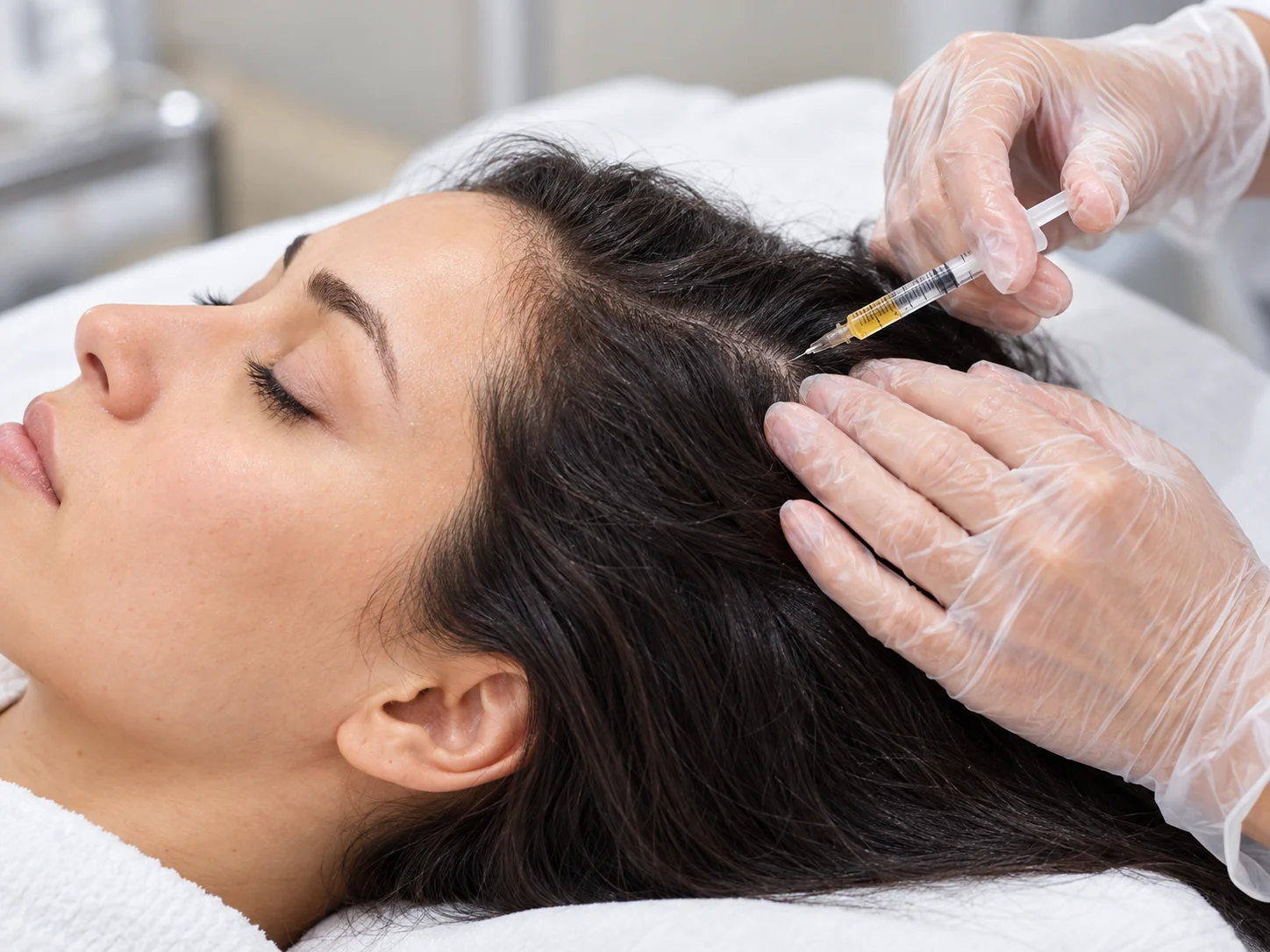
What exactly is PRP for hair?
PRP stands for platelet-rich plasma. A sample of blood is collected and processed in a centrifuge to obtain platelet-enriched plasma. The dermatologist may administer small injections into the affected scalp as part of an individual treatment plan. Platelet concentration and activation differ between protocols.
Why platelets?
Platelets release signalling molecules involved in tissue biology. Whether these translate into visible hair improvement varies.
Not a transplant
PRP cannot move follicles or guarantee regrowth where follicles are no longer viable.
Which types of hair loss might benefit?
The best-studied use is androgenetic alopecia (pattern hair loss), particularly when thinning follicles remain. Assessment may include a pattern history, scalp examination and trichoscopy. In some patients, alternative causes such as telogen effluvium, scalp inflammation or nutritional deficiency should be addressed first.
Male pattern hair loss
Receding frontal hairline and/or thinning crown may be considered alongside medical therapy.
Female pattern hair loss
Diffuse central scalp widening can require diagnosis, assessment of medication suitability and long-term treatment planning.
Scarring hair loss
PRP is not a replacement for prompt anti-inflammatory treatment of scarring alopecias.
How effective is PRP?
Randomised trials and meta-analyses suggest that PRP may improve average hair density in androgenetic alopecia compared with controls. However, results are heterogeneous because kits, protocols, comparison treatments and follow-up intervals differ. Benefits cannot be predicted precisely for one individual.
What the studies support
Possible improvement in hair density for some pattern-hair-loss patients.
What they do not establish
A universally optimal protocol, permanent restoration, guaranteed regrowth or consistent improvement in hair shaft thickness.
Practical approach
Use baseline images, discuss first-line treatments and review whether extra injections are worthwhile.
How PRP is performed
A patient’s blood is collected, prepared in the centrifuge and injected into selected scalp sites after appropriate antiseptic preparation. A series of treatments is commonly studied; the interval and number of sessions are discussed individually. Patients may experience brief discomfort.
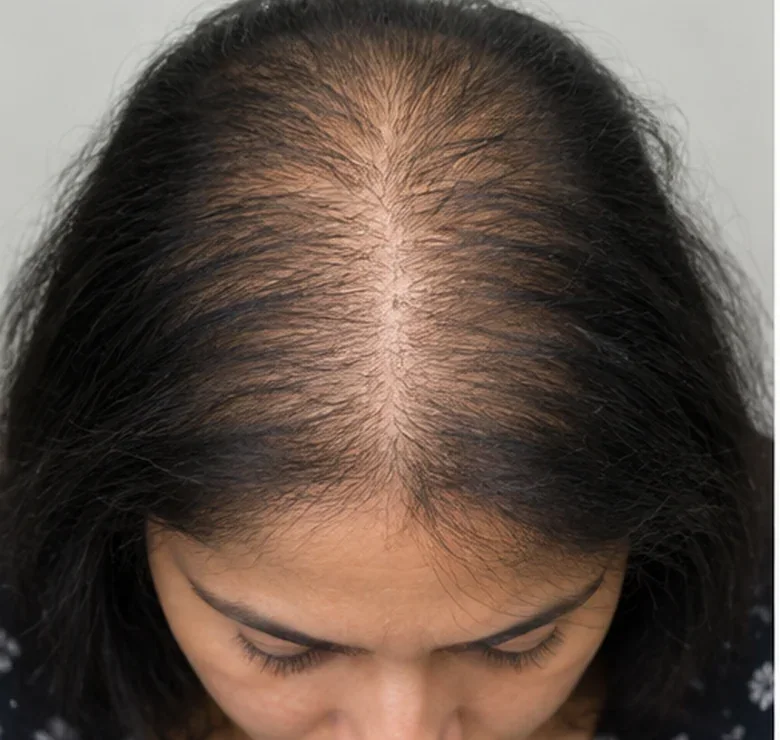
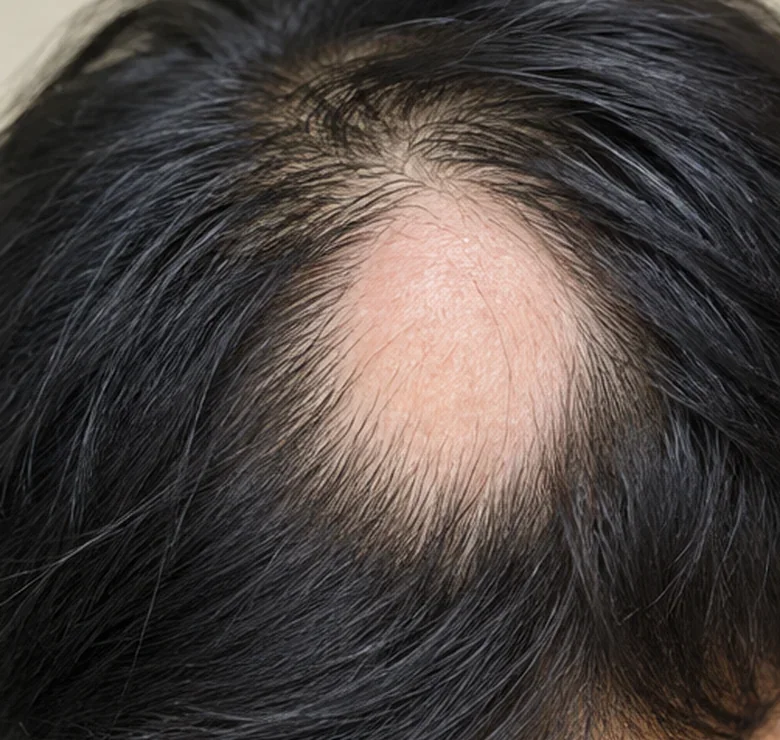
Before session
Review bleeding tendencies, medicines, scalp infection and other relevant conditions.
After session
Minor scalp discomfort, redness, swelling or bruising can occur; patients receive care instructions.
Assessing response
Hair changes are best assessed over months rather than immediately after injections.
PRP versus GFC: which should you choose?
Both are autologous blood-derived scalp treatments. PRP contains platelet-enriched plasma, while GFC uses a preparation focused on released growth factors. Comparative studies remain small and inconsistent. Your hair-loss diagnosis, current medication, budget and treatment preferences are more useful than broad claims that one method is always better.
PRP
More published randomised-trial data, although limited by protocol variation.
GFC
Promising early studies but comparatively less robust evidence and no proven universal advantage.
Neither
Should be sold as a permanent alternative to appropriate ongoing medical care.
Cost, appointments and reasonable expectations
The clinic consultation fee is ₹800; any PRP procedure fee is discussed separately after examination and a suitable treatment plan. PRP is not necessarily useful for every kind of shedding. An initial discussion should cover alternatives, realistic chances of improvement, recurring costs and the option not to undergo injections.
Can I return to work?
Often routine activities can resume soon, although short-term scalp tenderness or redness may occur.
Are there side effects?
Pain, bruising, fainting, bleeding, infection and non-response are possible.
Is minoxidil still needed?
Often yes when prescribed for pattern hair loss. Do not stop treatment without discussing it with your clinician.
Frequently asked questions
How many PRP sessions are required?
There is no one universally proven schedule. Studies often use a series of treatments; frequency is individualised.
Can PRP restore a completely bald area?
Unlikely when the follicles have been lost. Earlier patterned thinning generally offers more realistic targets.
Is PRP painful?
Multiple scalp injections can be uncomfortable. Pain-control measures and suitability are discussed before the procedure.
Can PRP permanently cure male pattern baldness?
No. Androgenetic alopecia is a chronic tendency, and medical maintenance may remain necessary.
What is the difference between PRP and GFC?
They are processed differently from autologous blood; clinical evidence does not prove GFC is always superior.
Related treatment and condition pages
Explore the underlying diagnosis and the other available treatment options.
Clinical references and evidence
Independent professional sources supporting the medical explanations above. These are educational references, not endorsements of this clinic.
Dermatology consultation in Dehradun
Dr Neeraj Garg · MBBS (IMS-BHU), MD (IMS-BHU)
First Floor, Maheshwari Hospital, 06 Inder Road, Dalanwala, Dehradun, Uttarakhand 248001
Consultation fee: ₹800 · Procedure fees separately discussed.