RFA Skin Tag & Wart Removal in Dehradun
Radiofrequency (RF) electrosurgery uses controlled high-frequency electrical energy to remove or treat selected skin lesions. Examination comes first: not every skin bump is a tag or wart, and some lesions need biopsy rather than destructive removal.
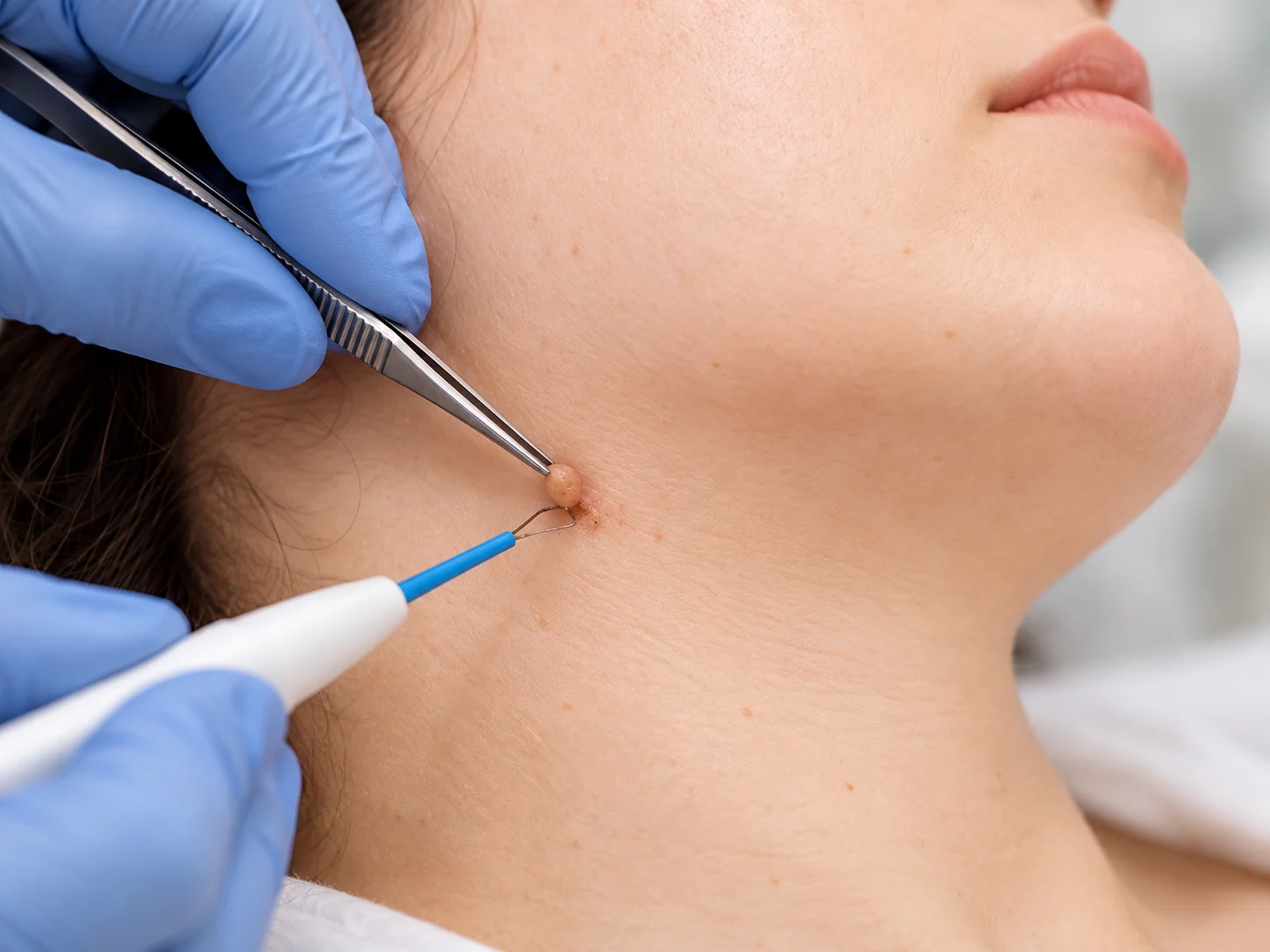
What is RFA or RF cautery?
A fine electrode delivers controlled high-frequency energy that cuts, coagulates or destroys tissue. In dermatology, the technique is used for suitable superficial benign lesions. It is not the same as radiofrequency skin-tightening treatments, and the correct approach depends on the diagnosis and site.
How it works
Controlled energy helps remove or coagulate selected tissue while managing bleeding.
What it is not
A universal way to remove suspicious pigmented lesions or a guarantee against scarring or recurrence.
Which lesions can be treated?
Depending on the examination, radiofrequency-based removal may be considered for skin tags (acrochordons), some viral warts, seborrhoeic keratoses, dermatosis papulosa nigra (DPN), selected molluscum lesions and certain other benign raised lesions.
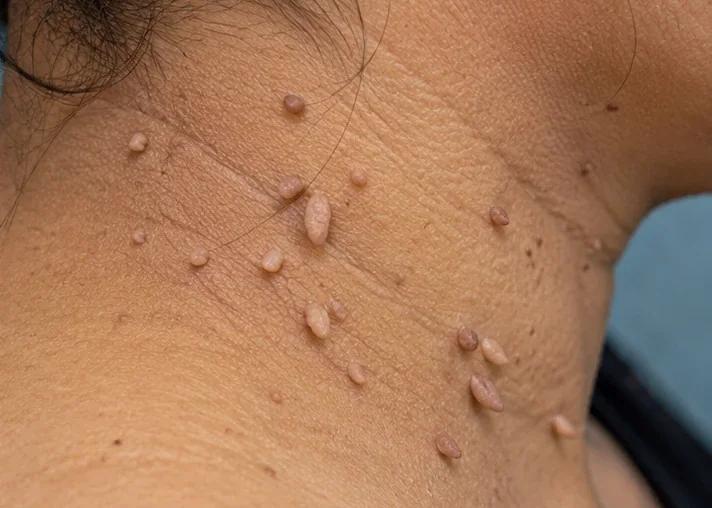
Skin tags
Small soft growths often found on neck, eyelids, underarms or skin folds; they are not the same as viral warts.
Common warts
Caused by HPV; procedures remove visible lesions but cannot guarantee that another wart will not appear.
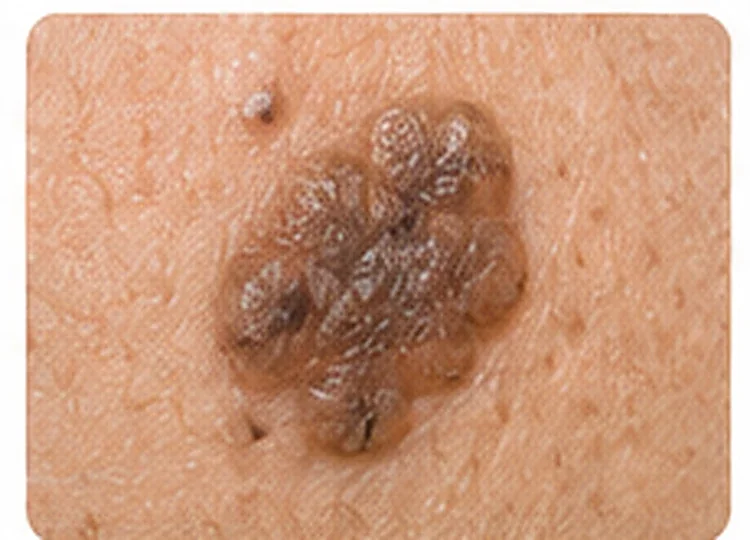
Seborrhoeic keratosis and DPN
Benign appearing growths may be treated if appropriate, with discussion of pigmentation and scarring risk.
Corn and callus
Pressure offloading and cause correction are crucial; destructive removal alone may not prevent recurrence.
Why diagnosis matters before removal
Growths that bleed spontaneously, change rapidly, ulcerate, are unusually pigmented or have an uncertain diagnosis need careful assessment. Dermoscopy and/or histopathology may be preferable to directly cauterising them. Removing a suspicious lesion destructively can prevent proper microscopic diagnosis.
For moles
Not all moles should be destroyed with RF; a suspicious melanocytic lesion requires a diagnostic approach.
For genital lesions
Genital warts and other intimate-site bumps have distinct diagnosis and counselling requirements; not every genital bump is HPV.
For recurrence
The cause matters: new skin tags may develop and viral warts can recur despite visible lesion removal.
What happens during the procedure?
The lesion and surrounding skin are examined; relevant history and consent are reviewed. Local anaesthetic may be used depending on site and number. The clinician applies an RF tip to remove or coagulate the selected tissue, followed by dressing or appropriate topical wound care.
Time and discomfort
Small lesions may be treated in an outpatient setting; duration depends on lesion count and site. Anaesthetic injection can briefly sting.
Precautions
Mention implanted cardiac devices, bleeding problems, medicines, pregnancy and wound-healing concerns before treatment.
Aftercare
Follow local wound-care instructions; avoid scraping crusts and seek help for spreading redness, pus or escalating pain.
Healing, pigmentation and recurrence
A superficial crust or raw area can form. Healing varies with depth, location and aftercare. Temporary dark or light marks, scarring, infection and incomplete clearance are possible. Indian skin tones can be prone to post-inflammatory pigment changes.
Skin tags
The treated tag is removed, but another skin tag can form later at a different site.
Viral warts
Visible warts may be cleared by procedure but the HPV-related tendency may persist or recur.
Cosmetic expectations
No technique can honestly promise zero marks, perfect colour match or zero recurrence.
RFA treatment cost in Dehradun
Charges depend on the diagnosis, size, number, anatomic site, anaesthesia needs and whether tissue testing is required. Consultation fee is ₹800; a suitable procedure and its separate price are explained after examination.
Can I remove a tag at home?
Avoid tying, cutting or burning lesions yourself: misdiagnosis, bleeding, infection and scars are possible.
Is every bump appropriate for RF?
No. A dermatologist may recommend another treatment, observation or biopsy instead.
Frequently asked questions
Is RFA the same as laser skin tag removal?
No. Radiofrequency electrosurgery and laser use different energy systems; neither is appropriate for every lesion.
Will RFA remove warts permanently?
It can remove visible warts, but recurrence or new lesions remain possible.
Can a mole be removed by RFA?
Only after appropriate evaluation. Changing, irregular or suspicious pigmented lesions should not be blindly destroyed.
Will treatment leave a scar or dark mark?
Pigment change or scarring is possible even with good technique. Risk varies by depth, skin type and healing.
Can multiple skin tags be treated together?
Sometimes, depending on their number, location, diagnosis and the treatment plan.
Related treatment and condition pages
Explore the underlying diagnosis and the other available treatment options.
Clinical references and evidence
Independent professional sources supporting the medical explanations above. These are educational references, not endorsements of this clinic.
Dermatology consultation in Dehradun
Dr Neeraj Garg · MBBS (IMS-BHU), MD (IMS-BHU)
First Floor, Maheshwari Hospital, 06 Inder Road, Dalanwala, Dehradun, Uttarakhand 248001
Consultation fee: ₹800 · Procedure fees separately discussed.