 01
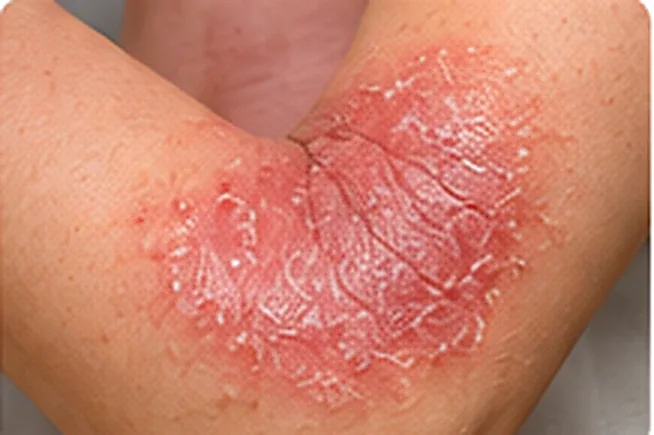
01Atopic dermatitis
Often involves dry, itchy skin and recurrent flares. Flexural areas are common, but the sites vary with age.
Itchy skin keeps coming back? Treat the flare. Protect the barrier.
Dry, cracked, red or weeping skin can be caused by different forms of eczema. The right plan depends on whether it is atopic dermatitis, irritant damage, contact allergy or another skin condition—not on itching alone.
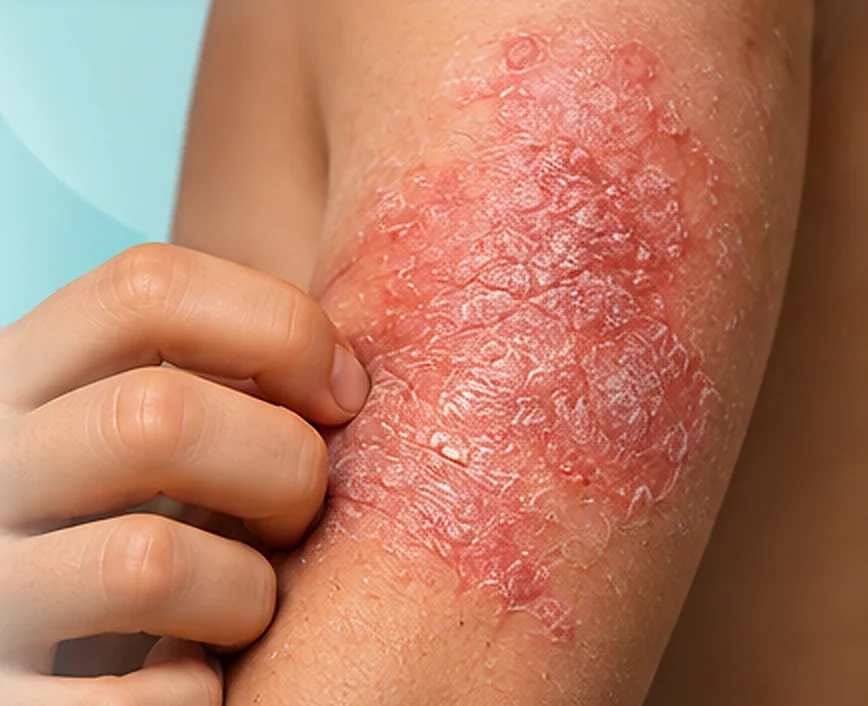 Eczema can look different on each person
AI-generated representative clinical visual · Not a photograph of a clinic patient
MBBS (IMS-BHU), MD (IMS-BHU)
Dermatologist & Venereologist · Dehradun
Dr Neeraj Garg completed both MBBS and MD at the Institute of Medical Sciences, Banaras Hindu University (IMS-BHU). He provides evidence-based assessment for skin, hair, nail and sexually transmitted conditions, with individualised care, clear counselling and patient privacy.
 MBBS + MDBoth from IMS-BHU
Eczema is a group of inflammatory skin conditions. It is not contagious. It may cause itching, dryness, rough patches, cracks, redness or discolouration; in darker skin, inflammation may appear brownish, grey or violet.
01Often involves dry, itchy skin and recurrent flares. Flexural areas are common, but the sites vary with age.
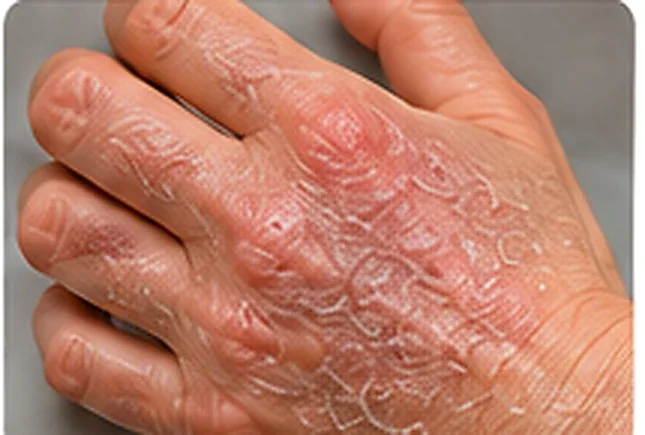 02
02Frequent washing, detergents, gloves, friction or an underlying atopic tendency can cause dry, painful, cracked hands.
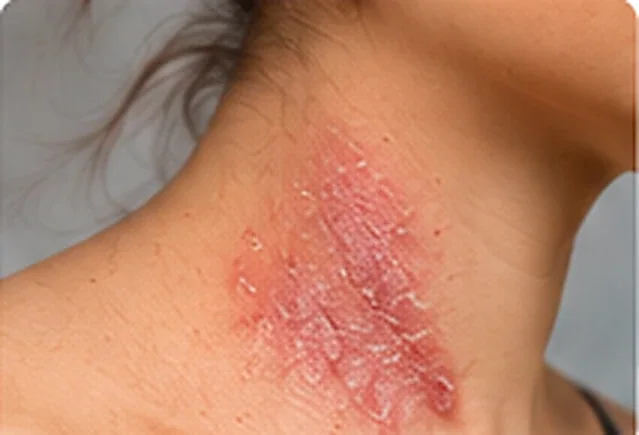 03
03Irritants or specific allergens—such as fragrance, nickel, hair dye or rubber chemicals—may trigger a rash.
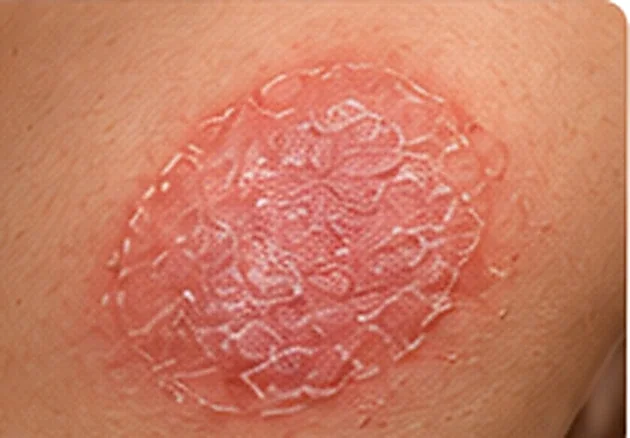 04
04Round or coin-shaped itchy patches can resemble ringworm. Examination and sometimes fungal testing may help distinguish them.
Eczema often improves and then flares again because the skin barrier remains sensitive and triggers may still be active. A flare does not always mean the treatment failed.
Even when redness improves, the skin may remain dry and easily irritated. This makes future flares more likely.
Detergents, soaps, fragrances, sweating, friction, changes in weather or repeated wet work can aggravate eczema.
Ringworm, psoriasis and scabies can mimic eczema. Persistent or unusual rashes may need reassessment, including a check for an unrecognised contact allergy.
Moisturisers help protect the skin even after a flare settles. Irregular use may allow dryness and irritation to return.
Repeated use of mixed creams or unsupervised treatment can hide the pattern, irritate the skin or delay correct treatment.
Atopic dermatitis and chronic hand eczema may relapse naturally. Some patients need a long-term plan to reduce flare frequency.
Early assessment may help when itching affects sleep, the skin breaks or the rash returns despite regular care.
Repeated rashes, disturbed sleep or dependence on multiple creams may require a review of diagnosis and treatment.
A location-specific approach matters, especially where skin is delicate or an occupational trigger is suspected.
Rapidly worsening pain, fever, pus, or grouped painful blisters or erosions warrant prompt assessment. Suspected eczema herpeticum is urgent.
Recurrent eczema often needs an individualised plan, not simply another short course of cream. Here is how assessment and management are approached during a dermatology visit.
Discuss itching, sleep, affected sites, flare history, previous creams, skin-care products and possible household or workplace triggers.
Distinguish atopic, irritant or allergic contact dermatitis from look-alikes. Fungal testing or patch testing is considered only when indicated.
Choose site-appropriate medicines, moisturisers and practical trigger-control advice, with instructions for managing the current flare.
Discuss maintenance care, when to review progress and whether further assessment or treatment escalation may be needed.
Most eczema is diagnosed clinically. Investigations are selected for the individual, not automatically ordered for every itchy rash.
History & skin examination. Assess pattern and onset, products, soaps, cosmetics, hair dyes, occupation, wet work, previous medicines and flare triggers.
Patch testing when indicated. For suspected allergic contact dermatitis, patch tests may identify delayed contact allergens. These are different from skin-prick tests.
Other tests selectively. A KOH scraping can help exclude ringworm when the appearance is uncertain; infection evaluation may be useful in selected cases.
The treatment depends on age, affected site, severity, prior response and the exact diagnosis. Not every patient requires an oral medicine.
Regular fragrance-free moisturisers and appropriate cleansers help restore the skin barrier. Continue barrier care even when a flare improves.
Topical corticosteroids of suitable potency are commonly used for flares. Tacrolimus or pimecrolimus may be useful for selected sites or maintenance, especially in sensitive areas.
Selected patients may benefit from wet wraps, phototherapy or specialist-prescribed systemic treatment, including biologics or JAK inhibitors for eligible atopic dermatitis cases.
Control is usually a combination of daily skin care and appropriately timed medicines—not just a cream used until the redness disappears.
Target active inflammation and itching with a site-appropriate plan.
Use moisturisers regularly and minimise known irritants.
Consider tailored intermittent maintenance and follow-up for recurrent disease.
No. When the correct topical steroid, strength, body site and duration are chosen, corticosteroids are an evidence-based first-line treatment for many eczema flares. Problems are more likely with unsupervised prolonged use of potent steroids, particularly on the face and skin folds.
Triggers vary from person to person. Good daily routines support medicines but cannot replace treatment for an active inflammatory flare.
Use a fragrance-free moisturiser regularly, especially after bathing or handwashing, while skin is still slightly damp.
Use lukewarm rather than hot water; limit harsh soaps, scrubs, fragranced washes and vigorous rubbing.
Reduce direct exposure to detergents and prolonged wet work; use suitable protective gloves with practical breaks.
If contact allergy is confirmed, review relevant skin-care products, cosmetics, workplace materials or jewellery.
Limit injury from scratching; seek review if itching or sleep disturbance persists despite treatment.
Unnecessary elimination diets and unverified “allergy tests” can create avoidable problems. Discuss suspected food triggers with your doctor.
No. Eczema itself does not spread from one person to another through touching, towels or clothing. However, an infected eczema lesion may require separate assessment.
Many people achieve long periods of good control. Atopic dermatitis tends to recur, while some contact dermatitis can resolve if the relevant trigger is identified and avoided. A realistic goal is comfortable skin with fewer flares.
The distribution, edge, scale and course can help, but some appearances overlap. A dermatologist may use KOH microscopy when fungal infection is plausible. Do not apply steroid creams blindly to an uncertain ring-shaped rash.
Not necessarily. Short, appropriate courses may control flares; regular moisturising and selected steroid-sparing treatments or intermittent maintenance may help reduce recurrence. The plan varies by site and disease severity.
No. Patch testing is particularly useful when allergic contact dermatitis is suspected, especially for persistent or recurrent hand, face or eyelid eczema. Routine food-allergy blood panels are not useful for most eczema patients.
Repeated detergent exposure, wet work, friction, gloves, underlying atopy or contact allergies may keep damaging the skin barrier. Prevention often involves both treatment and workplace/home-care changes.
No. Weeping can result from inflammation alone. Signs such as increasing pain, rapidly spreading redness, fever or systemic illness make infection more concerning and warrant assessment.
Yes. Eyelid and facial dermatitis may relate to atopy, irritants or contact allergens, including cosmetics, hair dye or nail products. These sites require particular care in choosing treatment.
There is no evidence-based universal eczema diet. Harsh oils, home mixtures and unverified remedies may worsen irritation. Treatment should focus on proven skin care, reducing relevant triggers and controlling inflammation.
Seek urgent assessment for clusters of painful blisters or punched-out erosions, especially with fever or feeling unwell, because eczema herpeticum requires prompt treatment. Rapidly spreading painful skin changes also need review.
Dr Neeraj Garg · MBBS (IMS-BHU), MD (IMS-BHU) · Maheshwari Hospital, Dalanwala, Dehradun. Consultation ₹800 · Pre-booking required.